
Understanding the House Edge
The house edge is a fundamental concept in the world of gambling, representing the statistical advantage that casinos hold over players. Every game has a built-in percentage that ensures the casino will win over time, making it crucial for players to understand how this impacts their gaming experience. For example, in roulette, the presence of a zero or double zero means that the odds of winning are not purely based on the number of winning outcomes; they are skewed in favor of the house due to the lower payouts offered. Understanding these nuances is vital, especially when one considers options like 1win , which can add to the excitement of gaming. This discrepancy is what players need to grasp if they hope to engage with casino games responsibly.
Different casino games come with varying house edges, which can greatly affect a player’s potential for winning. For instance, while slot machines often feature a higher house edge, table games like blackjack can offer a lower edge when played with optimal strategies. This variation allows players to choose games not only based on personal enjoyment but also on their likelihood of achieving favorable results. Understanding these differences can guide players in making better choices and enhance their overall gaming experience.
Ultimately, recognizing the implications of the house edge is essential for managing expectations and maintaining a healthy approach to gambling. While there are skill-based games, such as poker, where players can leverage their abilities against one another, most casino games are designed to favor the house in the long run. Players should approach these games with a mindset focused on entertainment rather than the expectation of guaranteed profits, ensuring a more enjoyable experience.
Can Skill Influence Outcomes?
While many casino games are largely based on chance, skill can significantly impact outcomes, especially in games like poker and blackjack. In poker, players compete against each other rather than against the house, and strategic choices can greatly influence the likelihood of winning. A deep understanding of probabilities, the ability to read opponents, and the use of various betting techniques can all contribute to a skilled player’s success. This element of skill adds a layer of complexity and excitement to the game, attracting many players who enjoy the challenge.
Blackjack also allows for skillful play to reduce the house edge. Utilizing strategies such as card counting enables players to keep track of the ratio of high to low cards remaining in the deck, leading to informed decisions about hitting, standing, or doubling down. However, players should be aware that casinos often implement measures, like frequent shuffling, to counteract these strategies. This means that while skill can provide an advantage, it cannot completely eliminate the house edge or guarantee consistent winnings.
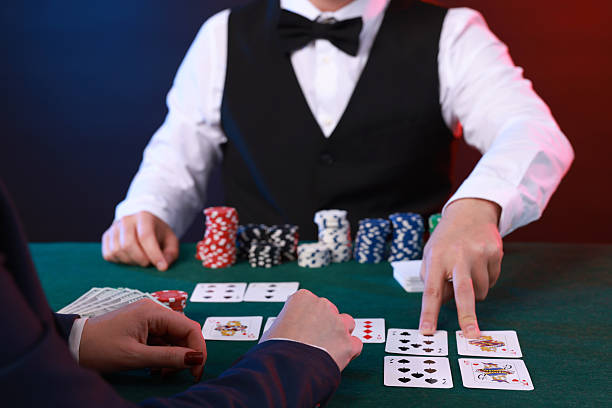
It’s important to realize that even the most skilled players cannot entirely overcome the house edge. While they can diminish it considerably, luck remains an unpredictable factor that can swing the outcome in favor of the house at any moment. Thus, players should focus on refining their skills while being mindful of the inherent risks associated with gambling, balancing their strategies with the understanding that luck plays an undeniable role in the overall experience.
Strategies to Manage the House Edge
Successful players often develop strategies aimed at managing the house edge and maximizing their enjoyment at the tables. One of the most effective methods is to set a budget before starting to play and adhere to it throughout the gaming session. By determining a comfortable spending amount, players can make informed decisions and avoid the temptation to chase losses, which often leads to even greater financial setbacks. Sticking to a budget is a fundamental step in ensuring that gambling remains a fun and entertaining activity rather than a source of stress.
Another essential strategy is to learn the rules and intricacies of each game being played. For instance, in blackjack, knowing when to split or double down based on basic strategy charts can significantly improve a player’s odds. Understanding the payout ratios and specific rules associated with different games enables players to make the most informed choices possible. This knowledge not only enhances the gaming experience but can also lead to better outcomes over time, as informed players are more likely to make advantageous decisions.
Furthermore, taking advantage of bonuses and promotions offered by casinos can help extend a player’s budget and increase their chances of winning. Many casinos provide welcome bonuses, loyalty rewards, and other incentives that allow players to enjoy additional gameplay without additional financial commitment. However, it is crucial to fully understand the terms and conditions of these bonuses to avoid any unexpected limitations or requirements that could affect the overall experience. By being strategic about utilizing these opportunities, players can further manage the house edge.
The Role of Luck in Gambling
No discussion on beating the house edge would be complete without addressing the pivotal role of luck in gambling. Luck is an inherent aspect of any casino game and can significantly impact outcomes, regardless of a player’s skill level or strategy. While skilled players can enhance their probabilities of winning, the random nature of games like slots or roulette cannot be controlled or predicted. This unpredictability is a key part of what makes gambling thrilling for many enthusiasts.

The concept of variance also plays a critical role in how luck influences gambling experiences. Variance measures the spread of possible outcomes in a game. High variance games might offer substantial rewards but can also lead to larger losses, while low variance games tend to yield more consistent, albeit smaller, payouts. Understanding variance helps players align their strategies with their risk tolerance and financial objectives. By recognizing the potential for both wins and losses, players can make more informed decisions on how to proceed.
Ultimately, players must strike a balance between skill, strategy, and the acceptance of luck’s role in their gaming experience. Embracing the randomness inherent in gambling can enhance enjoyment and lead to a more realistic perspective. The thrill of hitting a big win often comes down to the alignment of fortunate circumstances, reminding players to appreciate the excitement of the game while staying grounded in the reality of chance.
Conclusion: The Reality of Beating the House
In conclusion, while it is possible for players to minimize the house edge through strategic play and skill, completely overcoming the house is a challenging goal for most individuals. The house edge serves as a constant reminder that casinos are structured to maintain profitability, and over time, the odds typically favor the house. Therefore, players should approach gambling as a form of entertainment rather than a reliable way to make money, prioritizing enjoyment over profit in their gaming experiences.
Experiencing the thrill and excitement of casino games can be incredibly rewarding if approached sensibly and within established financial limits. Players who focus on enjoyment rather than the pursuit of profit tend to have a more positive experience and are less likely to make impulsive decisions that could lead to financial distress. Understanding the limitations of one’s abilities against the house edge is essential for responsible gambling, ensuring that players can savor their time at the casino.
For further insights and resources on navigating the world of casinos, our website is dedicated to providing players with a wealth of information. From comprehensive game reviews to practical tips on responsible gambling, we aim to empower players to make informed decisions and enhance their gaming experiences. By equipping players with valuable knowledge, we strive to promote a more enjoyable and responsible approach to casino gaming.